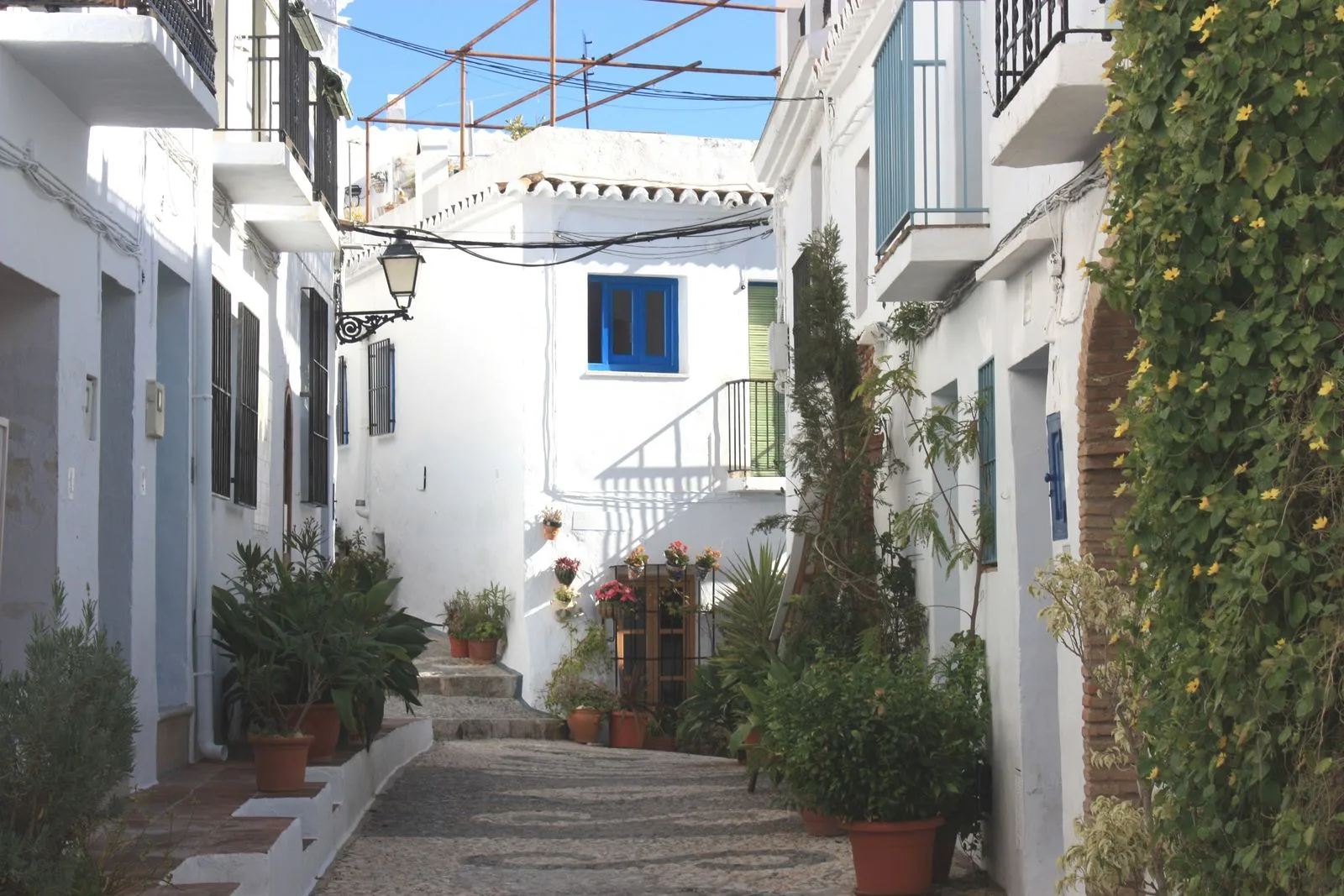
From the San Antonio feria in June to the Festival of Three Cultures in August - every major festival and fiesta in Frigiliana and Nerja throughout the year.
Frigiliana knows how to celebrate. This small village packs a remarkable number of festivals into the calendar - from solemn religious processions to all-night street parties, from ancient harvest traditions to a world-famous cultural festival that draws thousands. The festivals are the best way to experience the village at its most vibrant and are well worth planning your trip around.
Día de la Miel de Caña - early May
Frigiliana is home to Europe's only remaining sugar cane molasses factory, and each year in early May the village celebrates its signature product with a day of free tastings, factory tours, cooking demonstrations, live music, and artisan markets. The De La Torre factory, which has been producing miel de caña since the 16th century, opens its doors so visitors can see the traditional production process. Local chefs demonstrate dishes using the molasses, and you can buy direct from the source. It is a small, local event - no huge crowds - and all the better for it.
Día de la Cruz - 3 May
On the Day of the Cross, decorated crosses appear throughout the village - in courtyards, on street corners, in doorways. Each is adorned with flowers, textiles, and traditional symbols. Neighbours compete informally to create the most beautiful display. It is a lovely, quiet tradition that transforms a simple walk through the village into something special. You will spot them without trying, but wander the Moorish quarter slowly and you will find more tucked away in unexpected corners.
Feria de San Antonio - mid-June
The main event of Frigiliana's year. The Feria de San Antonio honours the village's patron saint, San Antonio de Padua, with five days of celebrations around his feast day on 13 June. Opening night features the election of the Feria Queen, followed by live music, dancing, and eating that runs until the small hours. On the 13th itself, the saint's statue is paraded through the village on a flower-decked oxcart in a colourful romería (procession). Sunday morning brings the encierro - bulls released to run through barricaded streets. Every evening there are food stalls, open-air bars, fairground rides for children, and live bands on the main square. The atmosphere is electric.
Tip: The feria is one of the busiest weeks for bookings. The village can be noisy late at night - this is not the week for guests who want quiet evenings. But for guests who embrace it, this is Frigiliana at its most alive.
Noche de San Juan - 23 June
Midsummer night. Bonfires are lit on Burriana Beach and along the Nerja coastline as locals and visitors gather to celebrate the shortest night of the year. The tradition is to jump over the bonfire for good luck and wade into the sea at midnight to wash away bad energy. In practice it is a long evening of barbecues, music, and fireworks on the beach. Nerja's Burriana Beach is the main gathering point - expect thousands of people, a party atmosphere, and very little sleep. If you drive, park early or take a taxi.
Festival of Three Cultures - late August
Frigiliana's most famous event, and rightly so. The Festival de las Tres Culturas celebrates the historical coexistence of Christian, Muslim, and Jewish communities in the village. Held over the last weekend of August (27–30 August in 2026), it fills the Moorish quarter with music and dance from all three traditions, food stalls offering Moorish, Sephardic, and Andalucían dishes, artisan craft markets, historical exhibitions, and talks on the village's multicultural past. The streets are transformed with coloured lanterns and decorations. It draws visitors from across Spain and beyond - the village is absolutely packed, but the atmosphere is extraordinary.
Tip: Book accommodation well in advance if you want to visit during the Festival of Three Cultures. The village fills up completely. Go on foot - there is no parking anywhere near the old town during the festival. The evening sessions are the highlight, when the streets are lit up and the music is at its best.
Romería de San Sebastián - January
In the quiet of January, Frigiliana's romería honours San Sebastián with a pilgrimage and traditional Axarquía food. It is a local affair with very few tourists - a window into genuine village life that you would rarely see in summer. If you are visiting in winter, it is worth seeking out.
Semana Santa - March or April
Holy Week is observed across Andalucía with solemn processions carrying ornate religious floats (pasos) through the streets. Nerja's Semana Santa processions are smaller and more intimate than the famous events in Seville or Málaga, but deeply moving nonetheless. The processions run from Palm Sunday to Easter Sunday, with the most dramatic on the evening of Good Friday. Frigiliana has its own smaller processions. Even if you are not religious, the pageantry, the music, and the community atmosphere make this one of the most memorable weeks to visit.
Other dates to know
Andalucía Day on 28 February is a public holiday - some shops and restaurants close. Carnival in February brings parades and costumes, particularly in Nerja and the larger towns. The Nerja Caves festival in July stages concerts inside the famous caves - an atmospheric and unusual concert venue. And keep an eye out for verbenas (neighbourhood street parties) throughout summer, which spring up with little notice and are always welcoming to visitors.
Planning a trip to Frigiliana? Our villas are just minutes from the village - book direct for the best price.